
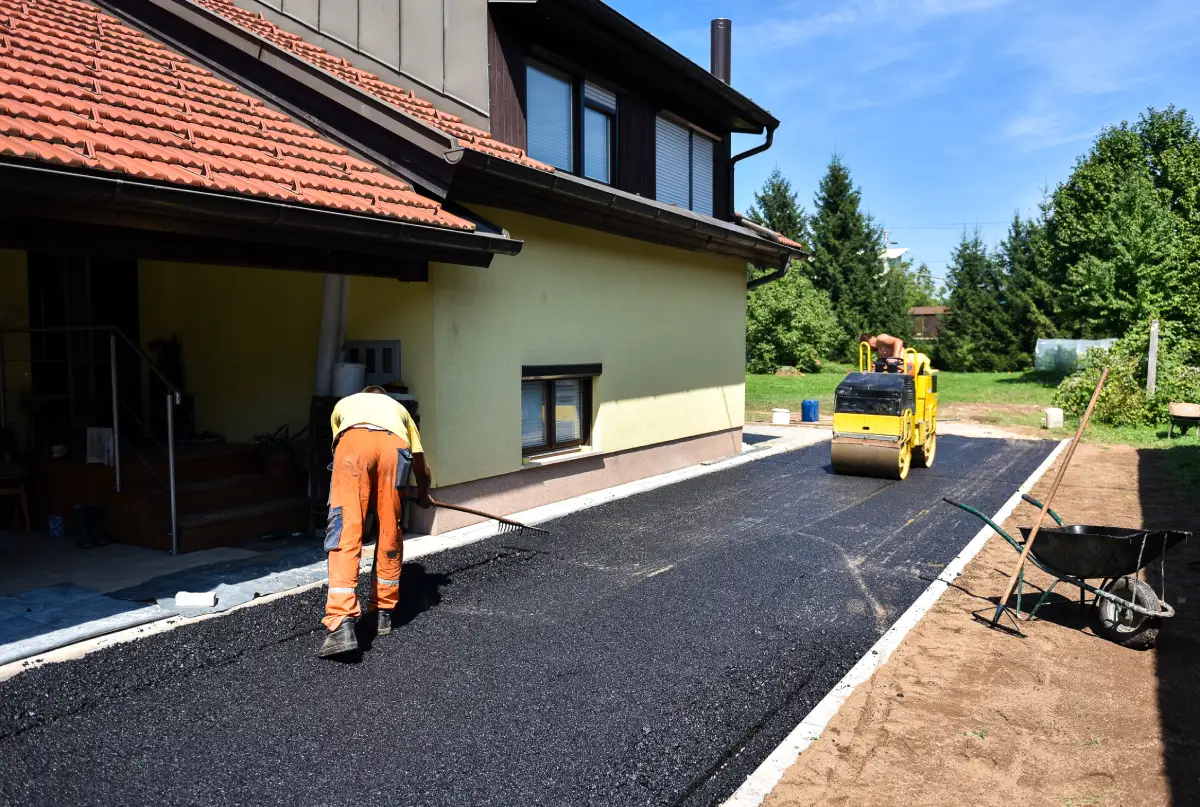
Property improvements should continue delivering value long after the contractors leave. Yet many rental owners discover that certain upgrades become expensive to maintain, repair, or replace after only a few tenant turnovers. Reviewing property performance alongside a year-round maintenance guide often reveals that durability plays a larger role in profitability than appearance alone.
In Lynnwood's residential rental market, the most effective renovation decisions are usually the ones that simplify ownership. Materials that withstand everyday use, remain attractive over time, and require less maintenance can help preserve rental income while reducing long-term operating costs. Understanding which improvements hold their value and which ones lose momentum can help you invest more strategically.
Key Takeaways
- Durable materials often outperform luxury finishes in rental properties.
- High-maintenance upgrades can increase long-term operating expenses.
- Neutral designs usually remain attractive longer than trend-driven choices.
- Flexible spaces appeal to a wider range of renters.
- Practical renovations often provide stronger returns over multiple lease cycles.
Why Durability Matters More Than Luxury
Many owners assume that higher renovation costs automatically translate into higher rental value. In reality, maintenance requirements often determine whether an upgrade remains beneficial over time.
The U.S. Census Bureau reported a national rental vacancy rate of 7.1% in Q3 2025, highlighting continued demand for rental housing. In a market like Lynnwood, renters appreciate attractive homes, but reliability and functionality often matter just as much.
Investments that reduce maintenance burdens can improve profitability while helping properties remain competitive in the marketplace.
Hardwood Flooring Can Require Ongoing Attention
Hardwood flooring remains a popular renovation choice because of its appearance and perceived value. However, rental environments create challenges that many owners underestimate.
Daily foot traffic, furniture movement, pets, and accidental impacts gradually wear down hardwood surfaces. Over time, scratches and dents become difficult to ignore.
Refinishing Adds Long-Term Costs
Unlike many durable flooring alternatives, hardwood often requires refinishing to maintain its appearance. These projects increase expenses and may delay new tenant move-ins.
Many owners evaluating broader facility management strategies recognize that maintenance-friendly materials often provide greater long-term value.
Flooring Options That Perform Better
Luxury vinyl plank continues to gain popularity because it offers:
- Improved scratch resistance
- Better moisture protection
- Easier cleaning during turnovers
- Lower replacement costs
These benefits make it well-suited for rental housing.
Premium Carpet Often Shows Wear Quickly
Soft, high-end carpeting can create a comfortable environment initially, but rental occupancy tends to shorten its lifespan.
High-traffic areas often develop visible wear patterns. Spills, pet accidents, and accumulated odors can become difficult to remove completely, even after professional cleaning.
Replacement Can Become Frequent
Unlike hard-surface flooring, carpet often requires full replacement once wear becomes noticeable. Those recurring costs can significantly affect long-term profitability.
Owners studying how effective floor plan designs contribute to tenant satisfaction often prioritize durable flooring because it supports both functionality and maintenance efficiency.
Custom Cabinet Finishes Can Create Future Challenges
Custom cabinetry can add character to a kitchen, but specialized finishes frequently become difficult to maintain after years of use.
Corners, handles, and frequently touched surfaces often experience visible wear. Small imperfections become increasingly noticeable as cabinets age.
Repairs Are Not Always Simple
One common challenge involves matching original finishes. Specialty paints, stains, and coatings may no longer be available when repairs become necessary.
Instead of addressing a small damaged area, owners may find themselves updating large portions of cabinetry.
Why Simplicity Often Wins
Straightforward cabinet designs provide several advantages:
- Easier touch-ups
- Lower repair expenses
- Consistent visual appeal
- Broad renter appeal
These qualities help preserve value throughout multiple tenancy cycles.
Designer Fixtures Can Increase Maintenance Complexity
Decorative lighting and specialty hardware can make listings look attractive, but they often create maintenance concerns later.
Lighting remains a heavily used feature in every home. According to the U.S. Energy Information Administration, lighting accounts for approximately 3.4% of electricity use in U.S. households.
Frequent use naturally increases wear and replacement needs.
Common Maintenance Issues
Many designer fixtures depend on specialized parts that can become difficult to source.
Matching finishes, proprietary bulbs, and custom components may require additional time and labor whenever repairs are needed.
Property owners who invest in smart rental upgrades often discover that practical technology improvements provide greater value than decorative features requiring specialized maintenance.
Trend-Driven Kitchens Can Date Quickly
Kitchen renovations frequently consume a significant portion of a renovation budget. Yet some design choices age faster than owners expect.
Bold colors, highly customized finishes, and short-lived design trends may lose appeal within just a few years.
Focus on Timeless Design
A kitchen does not need to follow every trend to attract renters.
Neutral finishes, durable countertops, and practical layouts often remain desirable far longer than trend-focused alternatives. These features also make future updates easier and more affordable.
Long-term success often comes from flexibility rather than chasing current design preferences.
Built-In Features May Limit Tenant Appeal
Custom-built-ins can appear valuable during renovation planning, but they may reduce flexibility for future occupants.
Every renter has unique needs when arranging furniture, creating workspaces, or organizing storage.
Drawbacks of Permanent Installations
Common concerns include:
- Reduced room flexibility
- More complex repairs
- Limited furniture placement
- Narrower renter appeal
Open layouts typically adapt more easily to changing lifestyles and tenant preferences.
Many owners planning future improvements use a rental value assessment to identify upgrades that support long-term flexibility and profitability.
Luxury Bathrooms Often Require More Upkeep
Bathrooms experience constant exposure to water, humidity, and daily use. Expensive finishes can become maintenance-intensive over time.
Frameless glass showers, specialty tile installations, and premium fixtures often require more cleaning and maintenance than standard alternatives.
Where Expenses Tend to Increase
Owners frequently encounter:
- Water spot accumulation
- Grout discoloration
- Mineral deposits
- Specialty replacement parts
These issues may increase maintenance costs during every lease cycle.
Property owners who regularly review their property owner resources often identify bathrooms as one of the most maintenance-sensitive areas within a rental home.
Practical Materials Often Perform Better
Durable bathroom materials typically provide:
- Easier cleaning
- Simpler repairs
- Lower maintenance costs
- Longer service life
These advantages support stronger performance throughout the property's lifespan.
FAQs about Rental Renovation Decisions in Lynnwood, WA
What factors should influence renovation decisions for a rental property?
Owners should evaluate durability, maintenance requirements, tenant appeal, replacement costs, and expected lifespan. Renovations that balance these factors often deliver stronger financial performance than appearance-focused upgrades.
How can renovation choices affect tenant retention?
Functional layouts, durable materials, and reliable property features can improve the living experience. When residents encounter fewer maintenance issues, they may be more likely to renew their leases.
Which renovation projects typically require the most ongoing maintenance?
Projects involving specialty finishes, custom materials, decorative fixtures, and high-end surfaces often require more upkeep because repairs and replacement components can be harder to obtain.
Why is flexibility important when renovating rental properties?
Flexible spaces accommodate a wider variety of lifestyles and furniture arrangements. This broader appeal can help properties attract more prospective renters and remain competitive in changing markets.
How often should owners review renovation performance?
Property owners should evaluate renovation outcomes during inspections, lease renewals, and tenant turnovers. Regular reviews help identify whether upgrades continue providing value or require replacement planning.
Practical Choices That Deliver Lasting Value
Every renovation decision influences future maintenance costs, tenant satisfaction, and overall property performance. Owners who prioritize durability over short-term visual appeal often spend less time addressing repairs and more time benefiting from stable rental operations.
PMI Brewder Realty helps Lynnwood property owners evaluate improvements through the lens of long-term ownership rather than short-term trends. Our team focuses on solutions that support reliable performance, simplify maintenance planning, and help residential rentals remain competitive in changing market conditions. When it's time to reduce unnecessary upkeep and improve property efficiency, unlock a smarter maintenance approach with guidance tailored to your investment goals.